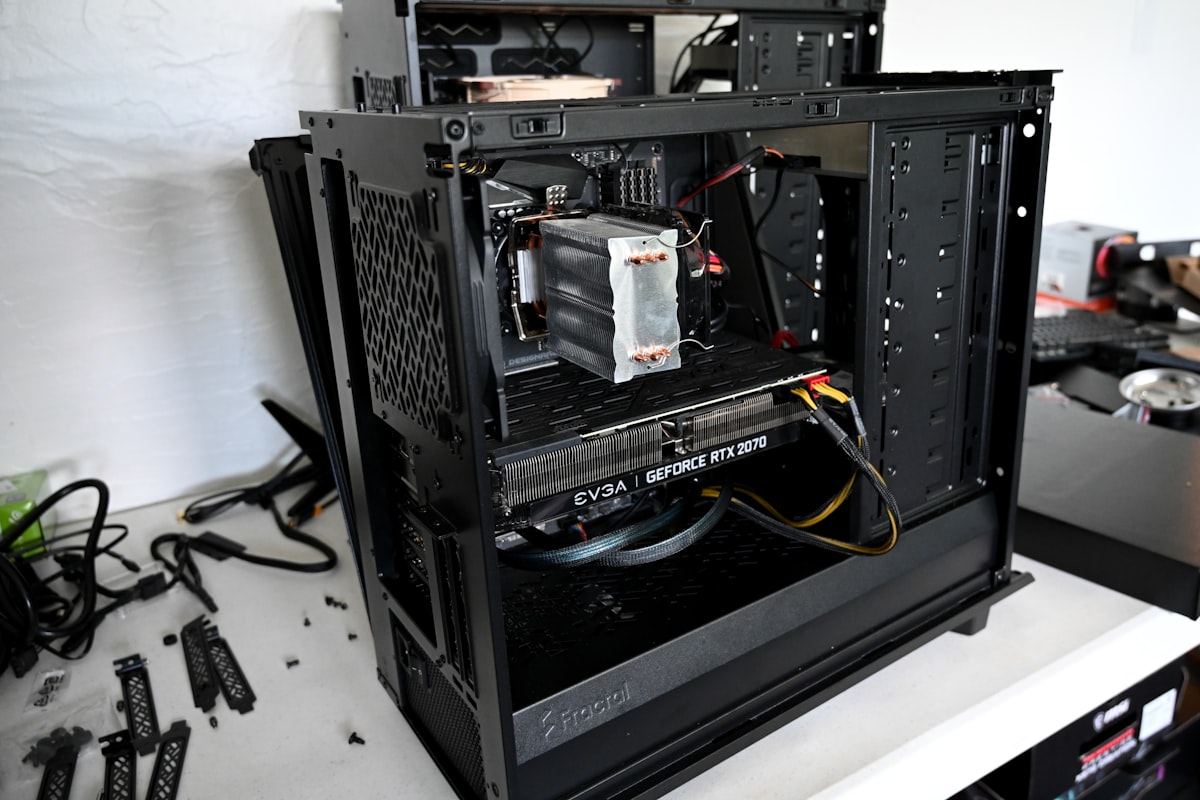
From Chip to Grid: How NVIDIA's Full-Stack Strategy Is Reshaping Building Energy Infrastructure
NVIDIA's 'chip to grid' architecture validates a thesis I've held for three years: the real bottleneck in AI-powered buildings isn't software or algorithms. It's power, packaging, and physical capacity. The constraint layer determines who ships.

Capital Is Institutionalizing the Infrastructure Layer: What PropTech's $16.7B Year Means for Smart Building Operators
Smart money is no longer betting on PropTech software — it's betting on infrastructure ownership. Blackstone launched a public DC acquisition vehicle. ESR targets 575MW+ in APAC. Fifth Wall pivoted to AI-native residential. The capital allocation narrative has inverted.

The Three Ceilings: Why Infrastructure Constraints — Not AI Models — Decide Who Wins in Smart Buildings
From recent capital deployment and reports, one pattern keeps showing up. The companies winning the AI-in-buildings race aren't the ones with the best models. They're the ones who solved the infrastructure ceiling first.

Why IPMVP Verification Is Becoming the Strategic Moat in AI-Powered Buildings
The AI-HVAC industry has moved past the demo phase. What institutional buyers want now is IPMVP-verified outcomes at portfolio scale. The operators who produce audit-grade verification are capturing capital. Everyone else has slide decks.

The 6-Step AI Smart Building Roadmap: Why 90% of Projects Fail and How to Be in the 10%
90% of AI smart building projects fail — and it's not a tech problem. Here's the 6-step playbook that separates the winners from the expensive PowerPoints, starting with leadership alignment before a single sensor gets deployed.

The Beta-Metric Framework: Decoding Hidden Energy Waste in Commercial Buildings
Traditional energy metrics treat buildings as black boxes. The beta-metric framework separates hidden waste from active operational load — giving operators a clear, layered view of where energy actually goes and where the real savings hide.

AI in CRE Just Leveled Up: From Optional Innovation to Operational Imperative
AI in CRE/FM leveled up in September 2025. Real money is moving — Trane acquired BrainBox AI, Ellis reached 65k+ hands at CBRE, and HVAC AI is delivering 15-25% energy cuts. But MIT says 95% of GenAI pilots fail. The path forward is fundamentals.

Harnessing the Power of Digital Twins: A Strategic Analysis for Modern Facilities Management
A strategic analysis of five leading digital twin platforms for facilities management, focusing on sustainability, lab optimization, and AI-driven energy efficiency.

A Quick Guide for Building Digital Twins in Office Optimization
How digital twins — dynamic virtual replicas of physical offices — revolutionize workplace optimization through real-time sensor data, predictive maintenance, and intelligent space utilization.